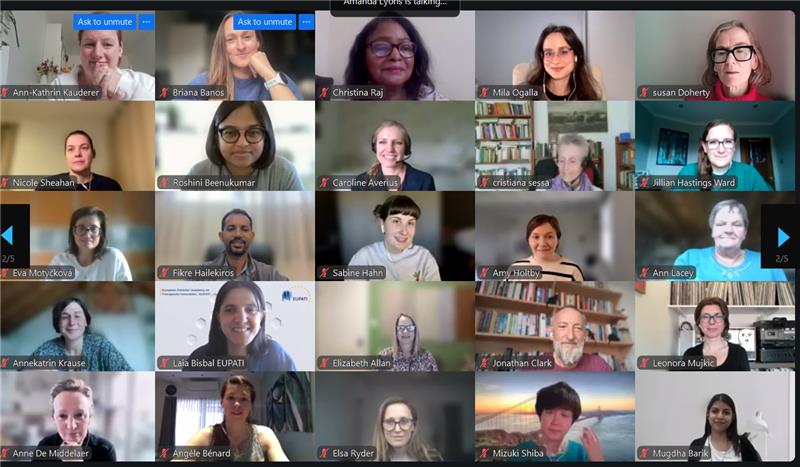
EUPATI Patient Expert Training Programme Online Spring Event Concludes with Powerful Call for Patient-Centred Communication.
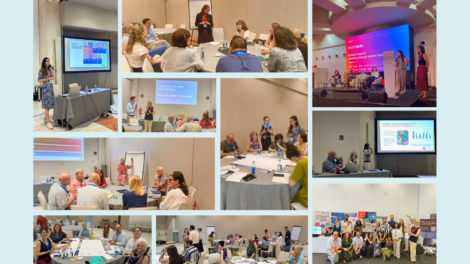
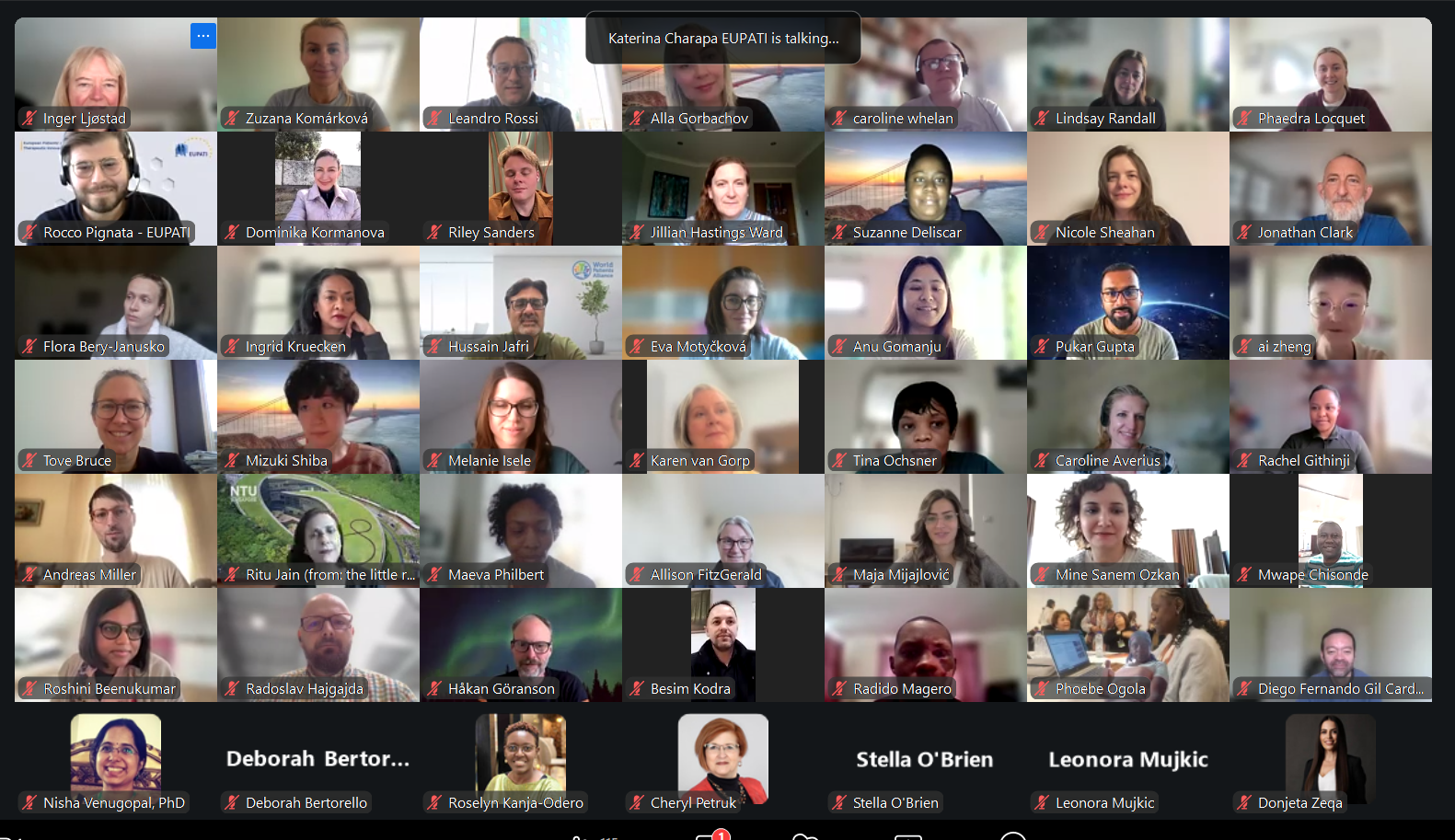
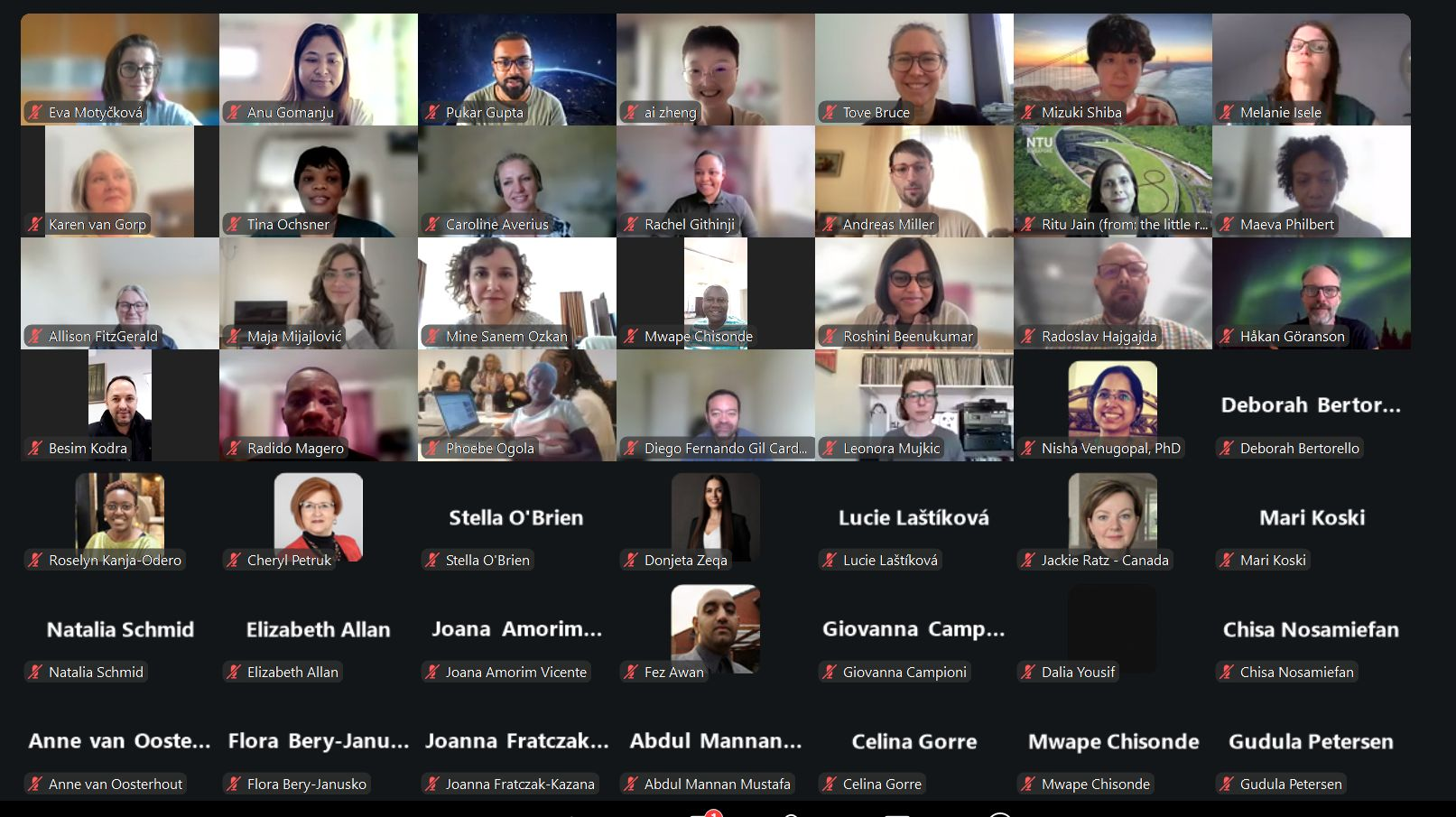
The EUPATI Patient Expert Training Programme (PETP) Online Spring Event has successfully concluded last week after four dynamic days of learning, collaboration, and reflection. Bringing together over 100 participants from across the globe, Cohort 9 embarked on an intensive journey through the full spectrum of Medicines Research and Development (R&D), culminating in a strong and consistent message: patient expertise is not optional, it is essential.
A Four-Day Journey Through Medicines R&D
The event began with an energetic kick-off, welcoming more than 100 trainees from 48 countries. Day 1 set the foundation with key topics including clinical study protocols, community-led data collection, and the evolving EU regulatory landscape for clinical trials and medical devices. Participants explored diverse research methodologies such as surveys, registries, qualitative research, and Investigator Initiated Trials, while also building connections during informal networking sessions.
Day 2 deepened participants’ understanding with sessions on new methodologies in clinical research and the practical application of statistics. Breakout discussions encouraged critical thinking, while a panel on patient involvement in pre-clinical and translational research highlighted the importance of involving patients early in the research process.
Critical Thinking and the Patient Voice
Day 3 shifted focus toward critical scientific reading and patient-centred research. Participants explored how to interpret scientific literature, use AI tools responsibly, and maintain a healthy skepticism when evaluating evidence. The discussions emphasized that scientific knowledge evolves over time and becomes reliable through collective validation.
The afternoon sessions highlighted the importance of capturing the patient voice. Panels addressed Patient Reported Outcomes (PROs), Patient Reported Outcome Measures (PROMs), and Patient Preference Studies (PPS), reinforcing the need to co-design tools with patients from the outset. Participants reflected on the value of flexibility, transparency, and clear communication when working with patient data, as well as the growing importance of regulatory literacy.
Final Day: Communication That Truly Serves Patients
The event concluded with a powerful focus on lay summaries and patient involvement in dissemination. Participants examined how information is communicated to patients and identified critical gaps that still exist.
Key insights included:
- Lay summaries matter: Patients need accessible, relevant information and a meaningful role in shaping how it is created and shared.
- Clarity over simplification: Effective communication requires accuracy, structure, and clarity and not oversimplification.
- Context is crucial: Culture, language, age, and literacy significantly influence understanding.
- Health literacy and numeracy: Communicating data clearly especially numbers which requires thoughtful design and skill.
- Choosing the right channels: Communication must balance reach, clarity, and context across platforms.
- Patients as co-creators: Their involvement ensures real-world relevance throughout the process.
- Integrated communication: It should be embedded from the beginning, not added as an afterthought.
- Human insight remains essential: While AI tools can support communication, empathy and human understanding are irreplaceable.
Breakout discussions revealed a critical reality: many existing lay summaries fail to help patients make informed decisions about their health. Common challenges include overly complex language, lack of context, and poor presentation of data which often results in an audience mismatch.
A Shared Achievement
Across all four days, one message stood out clearly: meaningful patient involvement must be embedded at every stage of Medicines R&D, from critical reading and ethics to communication and advocacy.
A total of 109 participants actively engaged throughout the programme, contributing to discussions, sharing insights, and building a global learning community.
Special thanks were extended to the training faculty, moderators, and the EUPATI Secretariat for delivering such a comprehensive and impactful experience. As EUPATI’s Executive Director Maria Dutarte aptly stated:
“This course takes a village to be successfully delivered.”
Looking Ahead
While the Spring Event has concluded, its impact is only beginning. Cohort 9 leaves equipped not only with knowledge, but with a shared responsibility to continue shaping a more inclusive, patient-driven future in Medicines R&D.
The conversations sparked over these four days are set to continue. Driving change, fostering collaboration, and ensuring that patient voices remain at the heart of innovation.
The training course continues and we will see Cohort 9 in-person in Barcelona this October!
If you’re interested in Cohort 10, check here in early June for registration links.



Date posted: April 29, 2026
Categories: Uncategorized