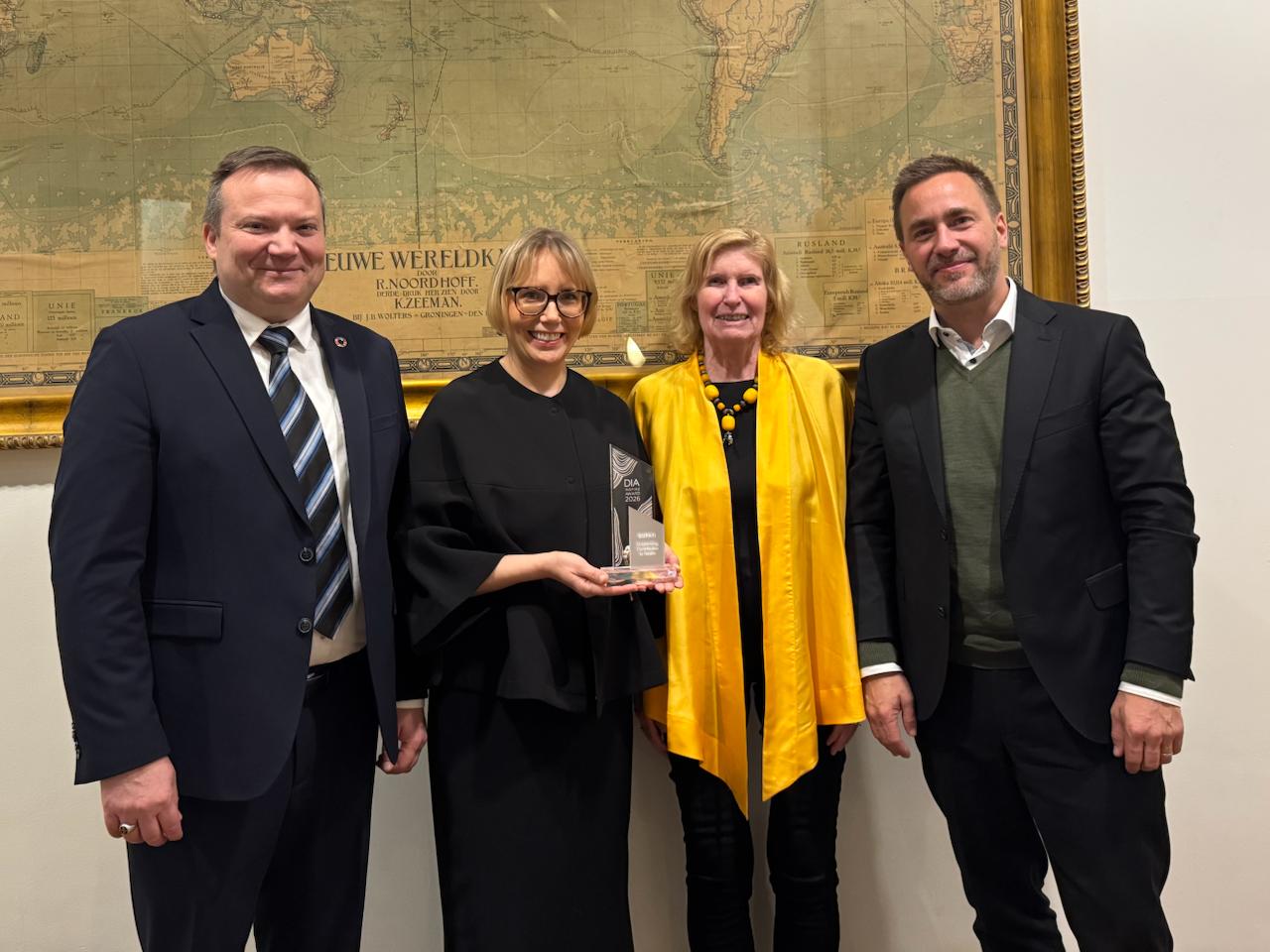
EUPATI Honoured at DIA Europe 2026: Advancing Patient Voices in Medicines Development.
We are proud to share that EUPATI has received the Outstanding Contribution to Health Award at the Inspire Awards during DIA Europe 2026. This recognition highlights the strength of EUPATI’s multistakeholder model and its mission to enhance the patient voice in medicines research and development through education.
On behalf of the EUPATI Foundation, its partners, National Platforms, and more than 500 EUPATI Fellows, we express our sincere gratitude for this acknowledgement. Since its launch in 2012 under the Innovative Medicines Initiative—now the Innovative Health Initiative, EUPATI has evolved into a global, independent non-profit. Its work empowers patients with the knowledge and confidence to contribute as equal stakeholders in medicines development.
Driving Meaningful Dialogue at DIA Europe 2026
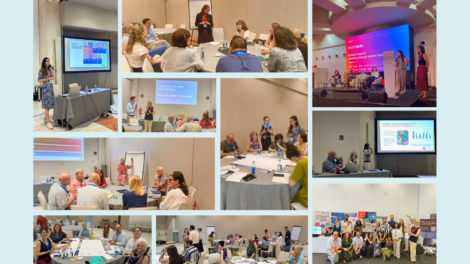
At this year’s event in Rotterdam, EUPATI played a central role in shaping discussions on patient involvement. A key workshop on “Patient & Regulator Interactions” was co-chaired with Juan Garcia Burgos from the European Medicines Agency (EMA) and Jytte Lyngvig, Chair of the EUPATI Board of Trustees.
The session underscored several important themes:
- The EMA continues to demonstrate strong, evolving practices in systematic patient involvement, though approaches differ across national authorities.
- There is a need for consistent frameworks for patient involvement across the European Medicines Regulatory Network.
- Sharing best practices among National Competent Authorities (NCAs) is essential to progress.
- Greater awareness is needed regarding where and how patients can contribute within regulatory processes.
These discussions reinforced the importance of sustained collaboration and commitment to embedding patient perspectives across all levels of decision-making.
From Involvement to Partnership: The Rise of Patient Experience Data
EUPATI also contributed to the session “From Patient Engagement to Patient Experience Data – Current and Future Approaches,” which explored how Patient Experience Data (PED) is transforming the landscape of medicines R&D.
A clear shift is emerging; from patient consultation to true partnership. Patients are increasingly involved in co-designing studies and shaping outcomes that matter most to them.
Key developments include:
- The integration of PED into regulatory and Health Technology Assessment (HTA) processes, supported by organisations such as the EMA and national authorities.
- The growth of a 360° multistakeholder approach, bringing together regulators, developers, and patients.
- Increasing recognition that patient preferences, expectations, and lived experiences must inform decision-making in a systematic way.
EUPATI’s Executive Director, Maria Dutarte, highlighted the ongoing need for education and capacity building to ensure patients and patient organisations can engage meaningfully in these evolving processes.
Education as the Foundation for Change
At the heart of EUPATI’s work is a strong commitment to education. As the role of PED continues to expand, training remains a priority for all stakeholders:
- Patients require accessible education on how data is generated and used.
- Regulators, HTA bodies, and developers need clear guidance on meaningful patient involvement.
Initiatives such as the PED course from WECAN Academy represent important steps toward building shared understanding across the ecosystem. Additionally, projects like IMI-PREFER demonstrate the value of co-designing research with patients rather than conducting studies about them.
Strengthening Patient Voices Globally
Maria Dutarte also presented at the Africa Townhall at DIA Europe 2026, together with the International Association of Patient Organizations (IAPO), focusing on empowering patients to be effective advocates for regulatory excellence. Drawing on lessons from the EMA, the session included a call to action for the African Medicines Agency (AMA).
The establishment of the AMA represents a unique opportunity to strengthen regulatory systems across Africa and to ensure that patients can provide structured input into regulatory policy. However, for this potential to be fully realised, key gaps must be addressed which include limited training opportunities, insufficient awareness, and the absence of formal engagement mechanisms that enable African patients to participate effectively in regulatory processes.
Looking Ahead
EUPATI remains committed to championing patient voices at every opportunity and to ensure they are no longer an afterthought, but a driving force in medicines development.
We extend our sincere thanks to the Drug Information Association, session chairs, speakers, and EUPATI Fellows who contributed to these important discussions, including Jytte Lyngvig, Robert Hejzak, Marko Korenjak, Günter Waxenecker, Kaisa Immonen, Anja Schiel, Anders Blædel Lassen, Sinead Curran, and Rosa Gonzalez-Quevedo.
As the dialogue continues, one message remains clear; meaningful patient involvement supported by education, collaboration, and shared commitment will shape the future of healthcare innovation.


Date posted: April 29, 2026
Categories: Uncategorized