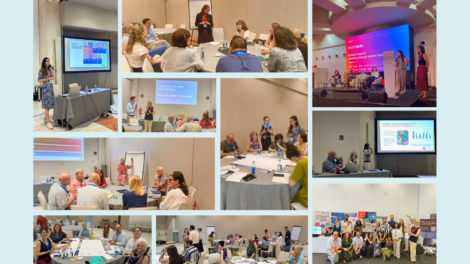
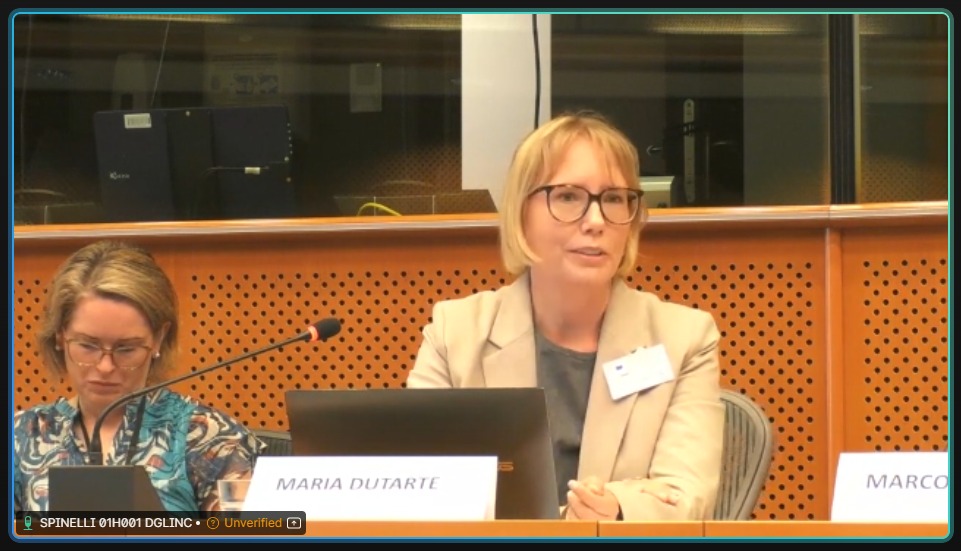
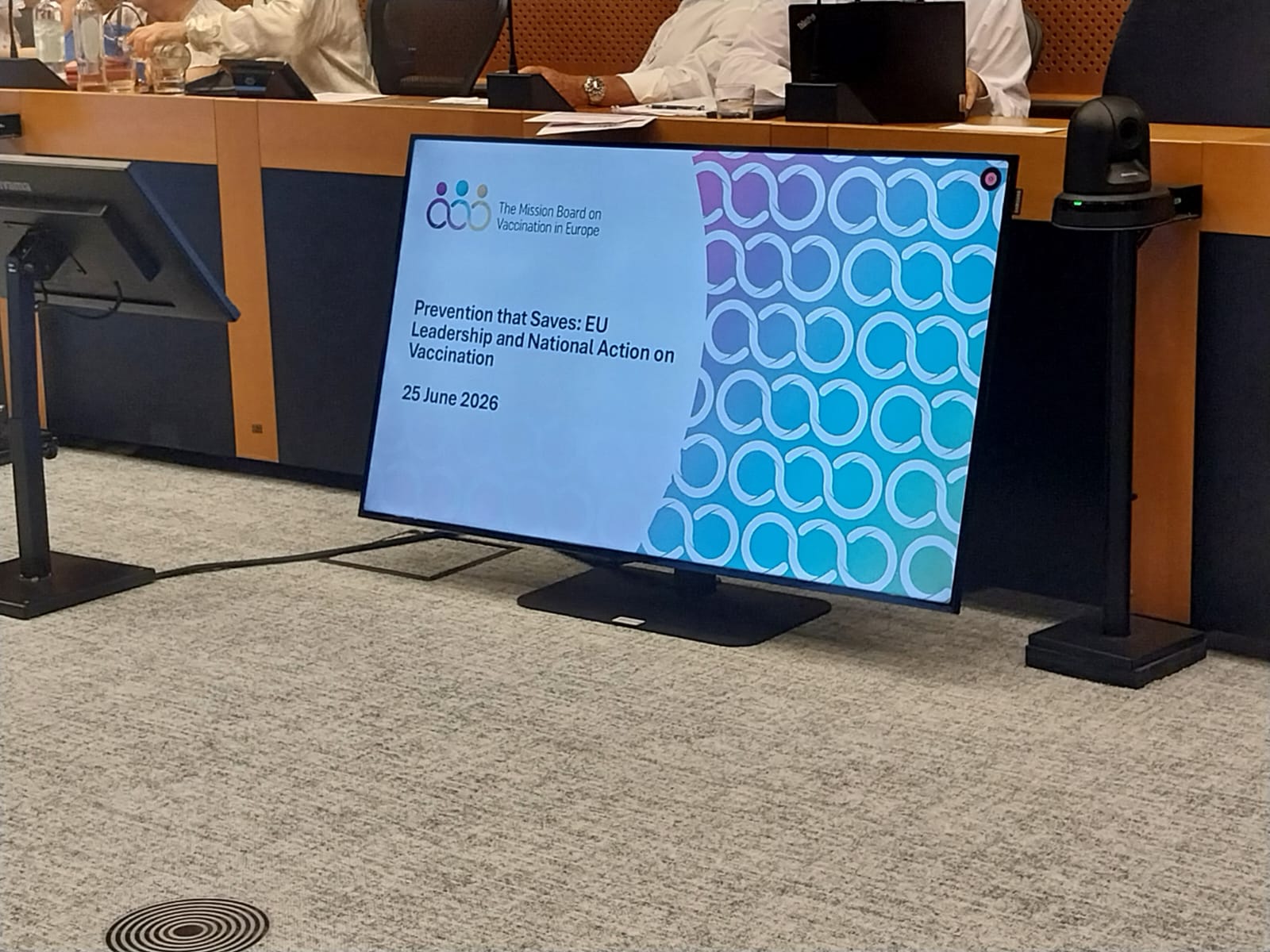
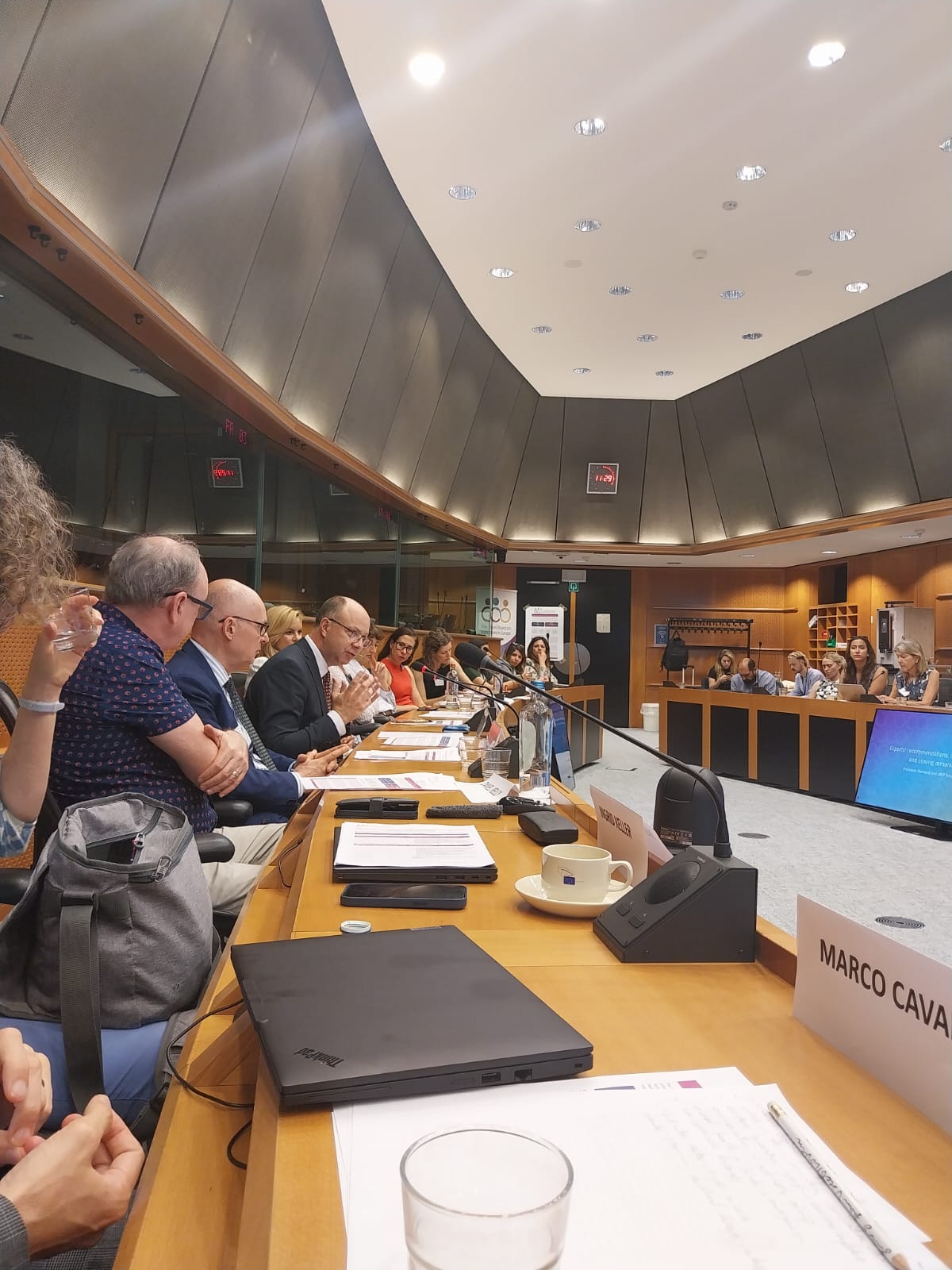
On 25 June EUPATI was proud to participate in the European Parliament event “Prevention that Saves: EU Leadership and National Action on Vaccination”. We were delighted to contribute to Session 1: Turning Policy Ambition into Health Outcomes, moderated by Prof. Walter Ricciardi.
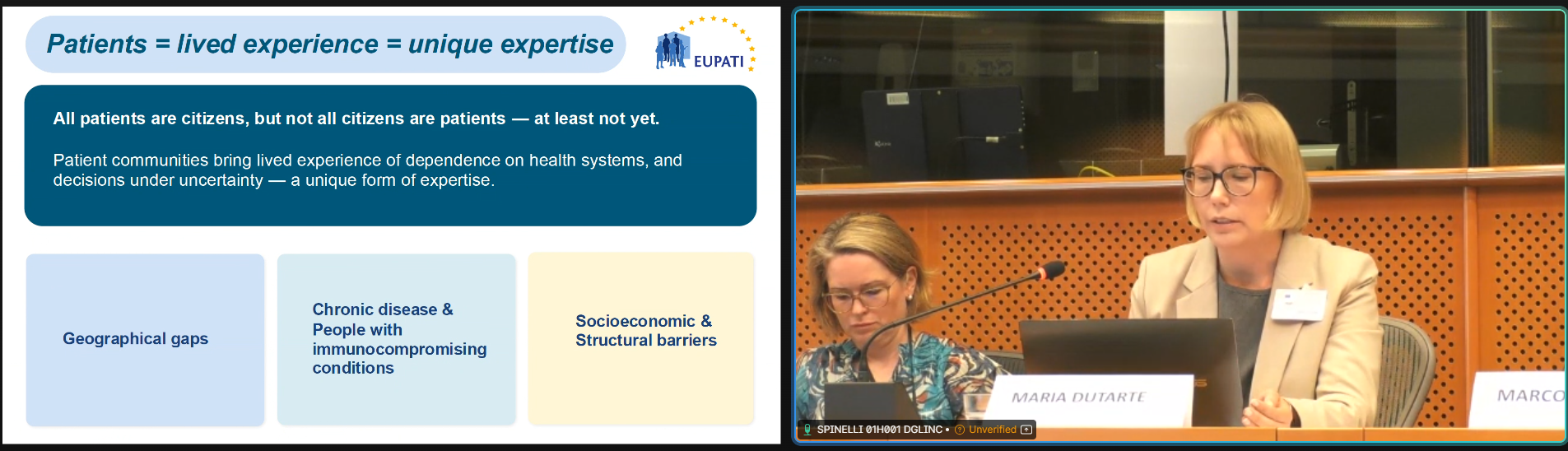
Maria Dutarte, our Executive Director, represented EUPATI, highlighting the crucial role of patients and patient organisations as partners throughout the entire vaccine lifecycle — from research and development to implementation, communication, and uptake.
Key messages included the need to:
🔹 Involve patient representatives in vaccination governance and decision-making from the start.
🔹 Co-create vaccination communication with patient communities.
🔹 Invest in health literacy through patient organisations as trusted partners.
🔹 Develop targeted approaches for people living with chronic conditions and underserved communities.
🔹 Ensure meaningful patient involvement is built into national vaccination programmes by design.
Why is health literacy so important?
Health literacy is the infrastructure — and patients are the architects.
Accessible, patient-friendly information is not just a nice-to-have. It is the precondition for everything else. By partnering with patient communities, we can reach people that institutional campaigns simply cannot.
Supported by educational initiatives like EUPATI, these communities can build vaccine literacy from within, reducing hesitancy and improving engagement with clinical trials.
Building confidence in vaccination requires partnership, trust, and the meaningful involvement of patients at every stage.
“The actual work of building and sustaining confidence and trust happens person by person, community by community — grounded in transparency, in listening, and in treating patients as meaningful partners with lived experience.”
This event was organised by the Mission Board on Vaccination in Europe (MBVE) which is a pan-European, multi-stakeholder initiative bringing together leading experts, health professionals, patient advocates, and civil society representatives to develop evidence-based recommendations on vaccination policy at both national and EU level.
Date posted: June 29, 2026
Categories: Uncategorized