
What does it take for underserved and underrepresented communities to feel safe enough to join a clinical trial?
Building trust from day one in clinical research. That was the focus of a session co-organised by several partners of the IHI-READI project at PEOF 2026.
READI is a six-year initiative working to improve the representation and inclusiveness of underserved and underrepresented populations in clinical studies in Europe.
Speaker Ashish Rishi, drew on both his expertise and his personal experience as a patient advocate – including firsthand experience supporting a family member through a health conditions – to remind the room of something important: the goal is not to make patients trust research. It is to make research worthy of their trust.
Mistrust, he noted, is not irrational. It is a rational response to a system that has historically excluded certain communities – compounded by media narratives that amplify the negative and rarely celebrate progress.
Some key reflections from the session and co-creation include:
- Trust is built – or broken – at specific moments: the invitation, the consent form, the follow-up, and the communication of results. All are crucial phases during clinical studies where trust needs to be a prerequisite.
- An invitation from a trusted source, explained in plain language, by a team that behaves like partners – this is where trust begins.
- Plain language is needed not just for patients, but for the healthcare professionals approaching them for the first time – and HCPs may also need emotional training to handle these conversations well.
- Participation should never come at a financial cost – full compensation and clear eligibility criteria are essential.
- Integrated support matters: working with families, addressing mental health, and accounting for proximity, logistics and waiting times,
- Transparency must extend to trial discontinuation (disclosure agreements don’t end because a trial stops early)- not just communication of results.
- Different communities – elderly patients, younger generations (e.g. Gen Z), and other minority groups – need tailored communication approaches to be able to efficiently reach them.
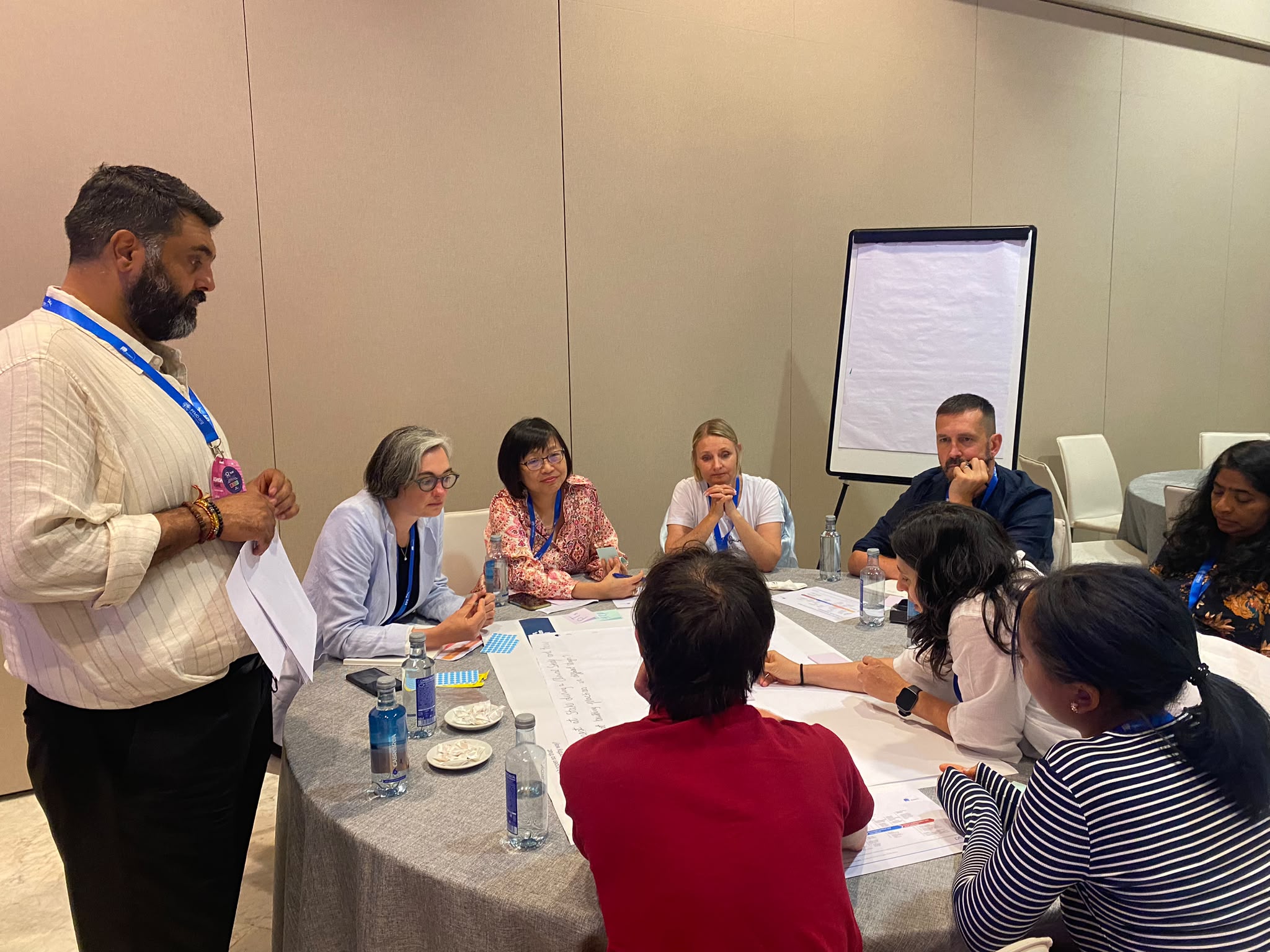
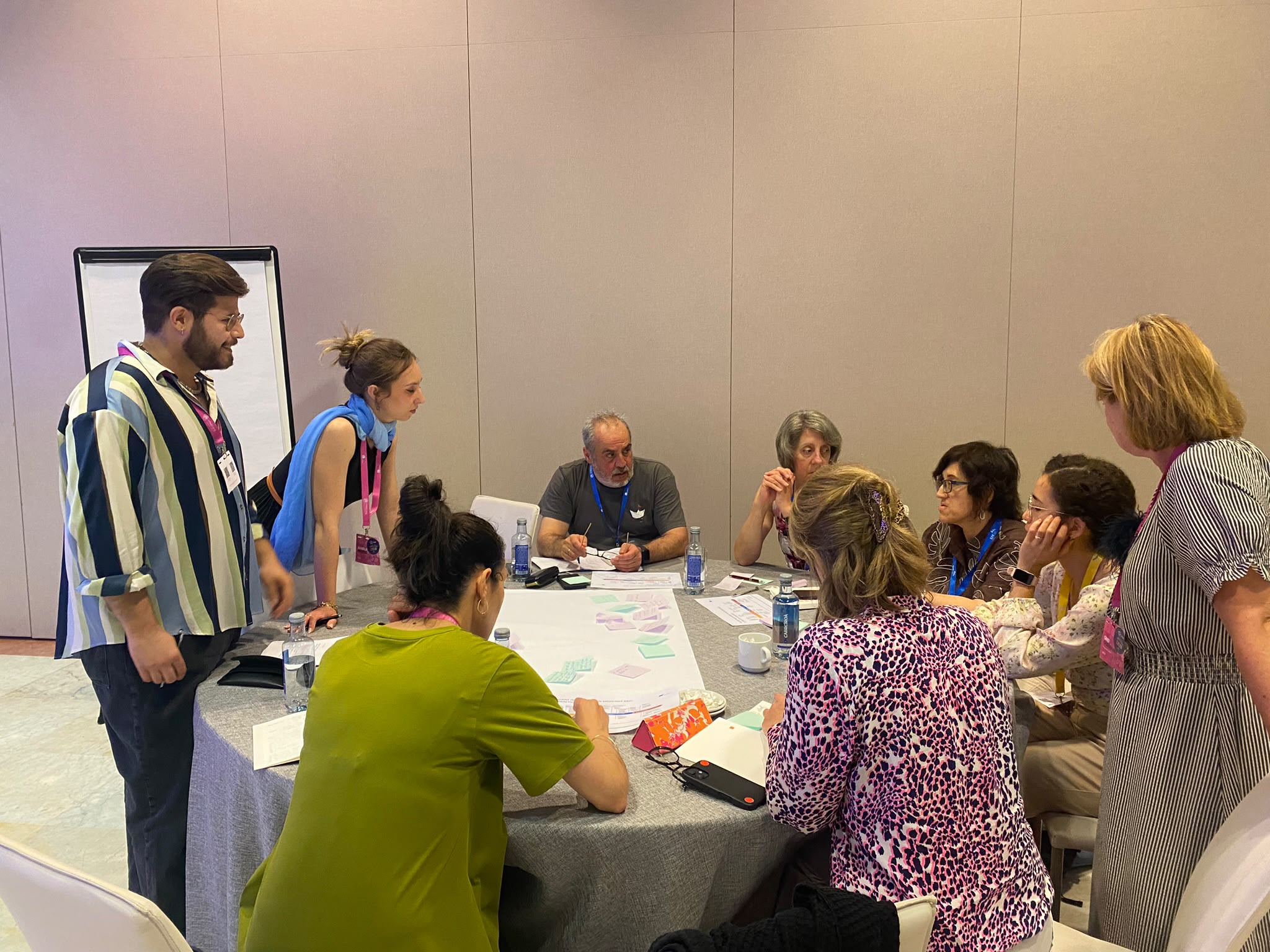
One of the main highlights of this session was the co-creation of the first prototype of a trust-building tool, thanks to the insights of the different participants that were in the room (representing different professions, ages, ethnicities, nationalities & lived experiences). Together, they identified key moments in clinical trials where trust can and needs to be built, along with practical ways to achieve this. Their insights have been collected and will feed directly into READI’s ongoing research, training, and implementation of work across Europe — ultimately contributing to an educational resource: A Guide to Building and Maintaining Trust in Clinical Trials.
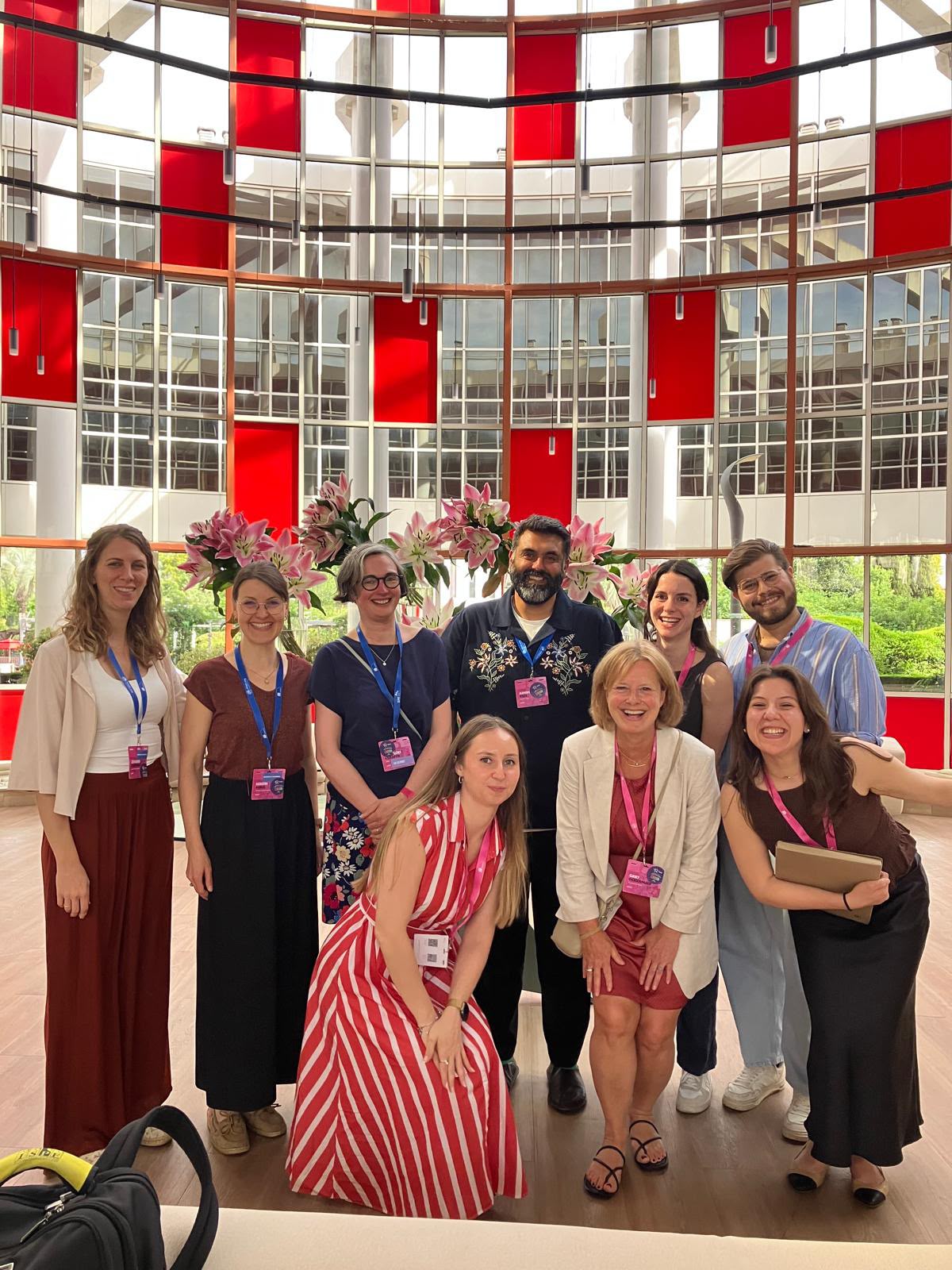
A huge thank you to our speaker Ashish Rishi and to the moderators who made this session possible: Sarah Bernier, Rocco Pignata, Isabella Picotto, Griet Goddemaer, Loes Knaapen, Kerstin Albus, Johanna Brustkern, Carla Reigada – as well as the other READI Ambassadors onsite (Mafalda Vasconcelos and Gines Pons) who helped bring the work of READI to participants around the conference.
We would also like to thank the organisations that these representatives belong to, all of whom are proud partners of the IHI-READI project, and supported the collaborative effort behind creating this session: EPF, EUPATI, The Synergist, IPPOSI, SHINE, UHC.
Date posted: August 19, 2026
Categories: Clinical Development and Trials